Evoke Plc Plans Closure of Around 200 William Hill Betting Shops in UK Starting May 2026
1 Apr 2026
Evoke Plc Plans Closure of Around 200 William Hill Betting Shops in UK Starting May 2026

The Announcement and Its Timing
Bloomberg News reported that British betting group Evoke Plc, the owner of the well-known William Hill brand, intends to shutter approximately 200 UK betting shops beginning in May 2026; this move comes as operational costs climb and taxes rise following the UK government's autumn 2025 budget measures targeting the gambling sector. The company, in a statement, confirmed it is conducting a review of its retail estate with an eye toward concentrating operations in core locations, although spokespeople stopped short of disclosing an exact figure for closures. What's interesting here is how this development builds directly on Evoke's December announcement, when executives withdrew the firm's medium-term outlook and began exploring options for a potential sale, all triggered by anticipated tax increases on online gaming and sports betting.
Those tracking the industry have observed that such strategic shifts aren't happening in isolation; Evoke's retail footprint, which once spanned thousands of locations, has already undergone consolidations in recent years, yet this latest plan signals a sharper pivot amid fiscal pressures. Data from company filings reveals Evoke operated around 2,400 William Hill shops as of late 2024, so trimming 200 would represent a notable reduction, roughly 8% of the total, although experts caution that final numbers could adjust based on ongoing reviews.
Background on Evoke Plc and William Hill
Evoke Plc emerged from the 2022 acquisition of William Hill's non-US assets by Ruby Seven Studios' parent company in a deal valued at about £2.2 billion; since then, the group has managed a portfolio blending high-street betting shops with robust online platforms, where William Hill remains a flagship name synonymous with UK punters. Researchers who analyzed post-acquisition performance note that while online revenues have surged—climbing 12% year-over-year in the first half of 2025 according to filings—the physical estate has faced headwinds from declining footfall, especially as younger bettors gravitate toward apps and websites.
But here's the thing: William Hill's legacy runs deep, with origins tracing back to 1934 when it started as a postal betting service, evolving into a high-street staple by the 1960s after the Betting and Gaming Act liberalized UK wagering; today, those shops serve not just gamblers but communities, often acting as social hubs in towns where alternatives are scarce. One study from the European Gaming and Betting Association highlights how such venues contribute to local economies through jobs and taxes, even as digital channels dominate revenue streams.
Drivers Behind the Closures: Taxes and Costs
The UK government's autumn 2025 budget introduced hikes that hit the sector hard, imposing a 15% tax on online gross gaming revenue above certain thresholds alongside increases in point-of-consumption duties for land-based operations; figures from the budget documents indicate these changes could extract an extra £900 million annually from operators by 2028, prompting firms like Evoke to recalibrate. Observers point out that rising operational expenses—think higher wages, energy bills, and property rates exacerbated by inflation—compound the issue, making unprofitable shops unsustainable when online alternatives yield higher margins with lower overheads.
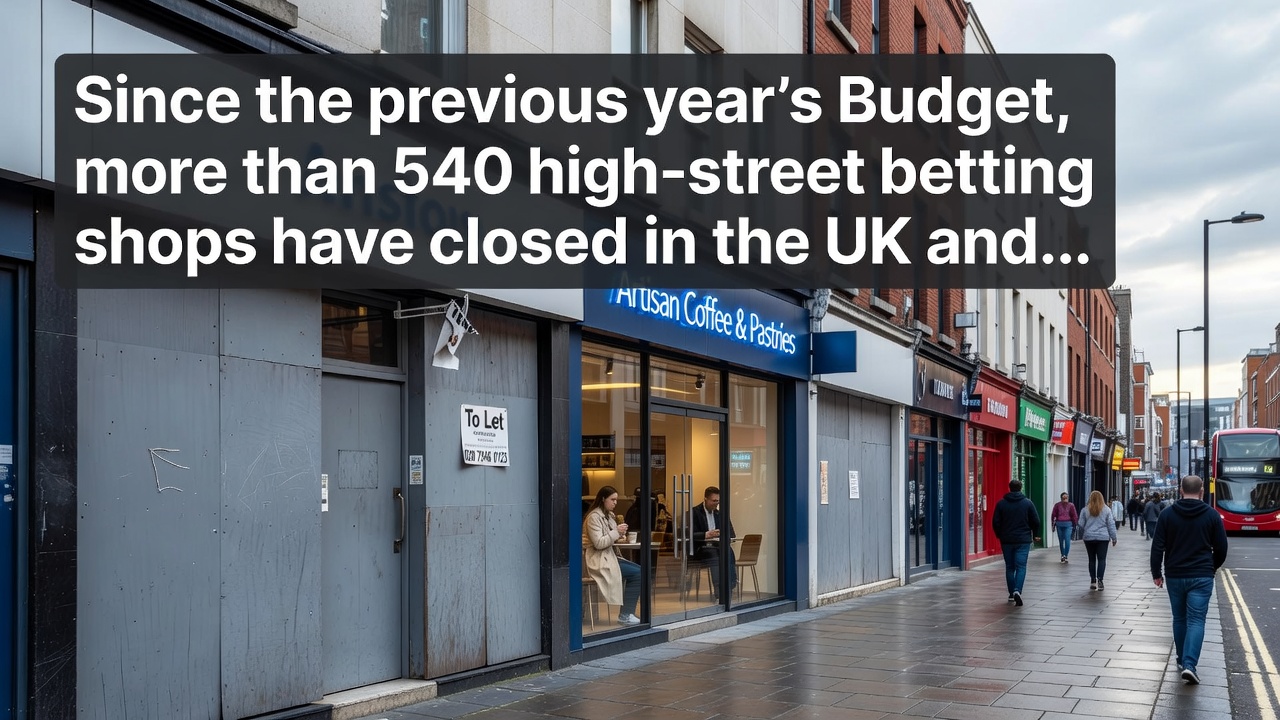
And while Evoke hasn't broken down exact cost savings from the closures, past restructurings offer clues; for instance, a 2023 optimization program shuttered 80 shops adn saved £20 million annually, suggesting similar efficiencies ahead, although those impacted—potentially hundreds of staff—face uncertainty as redundancies loom. Turns out, the retail model's viability hinges on volume bets from casual visitors, but with smartphone wagering now accounting for 70% of industry gross gambling yield per recent Reuters reporting, high streets struggle to compete.
Company Response and Strategic Review
Evoke's leadership has framed the review as a pragmatic step to sharpen focus, emphasizing retention of high-performing sites while exiting underperformers; in a March 31, 2026, update—timed just as April brought fresh scrutiny from investors—the firm reiterated commitment to stakeholders without committing to timelines beyond May starts. People who've followed similar moves, like Entain's 900-shop cull over 2024-2025, know these processes unfold gradually, often involving consultations with unions and local authorities to mitigate fallout.
Yet the December pivot to a potential sale underscores deeper challenges; withdrawing guidance signaled eroded confidence in forecasts amid tax volatility, and analysts covering the stock—down 15% post-budget—speculate buyers might eye the online arm, leaving retail as a divestible asset. It's noteworthy that Evoke's CEO highlighted in earnings calls how digital growth, up 18% in Q4 2025, offsets land-based declines, positioning the group for resilience even as physical doors close.
Implications for Jobs, Communities, and the Sector
Closing 200 shops could displace 1,000-1,500 workers based on average staffing of five to seven per location, a figure drawn from industry benchmarks; those in smaller towns often find limited reemployment options, prompting calls for retraining programs from trade groups. Data indicates betting shops contribute £1.5 billion in annual economic activity via wages and suppliers, so losses ripple outward, although operators argue consolidation streamlines service for remaining customers.
So as May 2026 approaches— with April now in the rearview as preparations ramp up—the broader UK gambling landscape shifts further online, where remote betting generated £4.3 billion in Q2 2025 gross gambling yield alone; experts who've studied transitions like Australia's post-2017 reforms, detailed in reports from the Australian Gambling Research Centre, observe that while closures hurt short-term, regulated online expansion sustains overall revenues. This pattern plays out similarly here, with Evoke betting on tech to weather the storm.
One case where researchers examined Ireland's 2020 shop rationalizations revealed a 22% employment drop in affected areas but a 35% online revenue bump, illustrating adaptation's double edge; for William Hill loyalists, though, the high-street vibe—cashier chats, screens buzzing with live odds—fades, replaced by app notifications and virtual tellers.
Looking Ahead: Sale Prospects and Market Dynamics
Evoke's sale exploration, ongoing since December, draws interest from private equity and rivals eyeing scale; comparable deals, such as the 2024 Flutter-Betfair consolidation, fetched premiums for digital-heavy portfolios, hinting at paths forward. But the reality is that tax hikes reshape the board, forcing operators to prune retail while doubling down on compliance and player protections mandated by evolving regulations.
Now, with April 2026 behind us and May on deck, stakeholders watch how Evoke executes; filings project stabilized earnings post-review, banking on 2026's online surge to offset shop losses, a strategy mirroring global peers who've shed 30% of physical sites since 2020.
Conclusion
The planned closure of around 200 William Hill betting shops by Evoke Plc from May 2026 encapsulates pressures from tax hikes and costs, prompting a retail rethink that prioritizes core sites and digital growth; while the firm navigates reviews and sale talks, the episode underscores the UK's gambling evolution, where high streets yield to screens amid fiscal realities. Observers anticipate clearer pictures as Q2 2026 unfolds, with data set to reveal if consolidations deliver the promised efficiencies or spark wider sector tremors.