Skybet Claims Top Spot in UK Sports Betting PPC Market for March 2026, Grabbing 25.25% of Clicks Amid Fierce Competition
5 Apr 2026
Skybet Claims Top Spot in UK Sports Betting PPC Market for March 2026, Grabbing 25.25% of Clicks Amid Fierce Competition
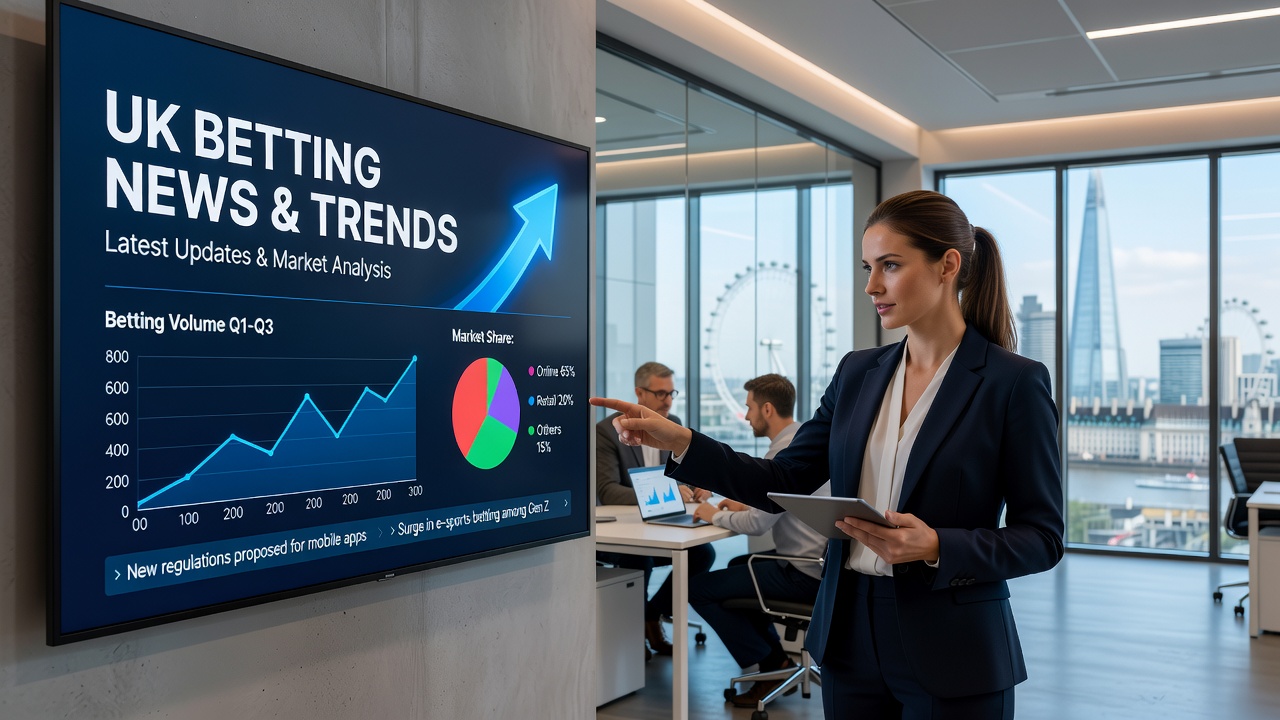
Observers tracking the UK sports betting landscape have noted how Skybet surged ahead in March 2026, capturing a commanding 25.25% share of clicks in the pay-per-click (PPC) market for sports betting, while daily spend peaked impressively at 37.66% on March 30; this performance underscores the brand's aggressive digital advertising push during a month when competition intensified across the sector.
Breaking Down Skybet's Market Leadership
Skybet didn't just lead; data from Adthena's market share analysis reveals how the operator maintained consistent dominance, holding steady click shares that reflected sustained investment in search engine visibility, especially as bettors hunted for the latest odds ahead of major sporting events. What's interesting is that those peaks aligned with high-traffic days, suggesting Skybet timed its bids perfectly to capitalize on user spikes, and by month's end, this strategy had solidified its position at teh top.
But here's the thing: Skybet's edge went beyond raw numbers, as figures show it outpaced rivals in both impressions and spend efficiency, drawing in users who clicked through on ads promising quick access to markets on football, horse racing, and more; experts who study PPC dynamics point out that such control often stems from refined keyword targeting and budget allocation that adapts in real-time to auction pressures.
bet365's Steady Climb and Close Pursuit
Trailing closely, bet365 secured 19.68% of the click share, yet what stands out most is its +6.12% gain in overall market share over the month, a shift that researchers attribute to optimized campaigns focusing on high-value searches; this uptick happened even as the broader field tightened, highlighting bet365's ability to adapt amid rising costs per click.
Take the daily breakdowns: bet365 ramped up spend on key dates, mirroring Skybet's intensity but carving out gains through persistent visibility on competitive terms like "football betting offers" and "live odds," and those who've analyzed similar periods note how incremental share growth like this often builds long-term loyalty in a market where retention matters as much as acquisition.
Ladbrokes and William Hill's Impression-Heavy Plays
Ladbrokes showed strong impression volumes alongside solid spend figures, positioning itself as a reliable presence in search results without chasing the absolute top click percentages; data indicates this approach kept it relevant, particularly for users exploring bonus-driven ads, although it didn't translate to share expansion on the same scale as bet365.
William Hill, on the other hand, logged notable activity in impressions and spend too, but faced a -4.99% market share drop by March's close, a decline that coincided with broader consolidation; observers link this partly to reallocation of budgets in response to shop closure announcements earlier in the year, yet the brand still maintained visibility through promotions that echoed industry standards.
And while both Ladbrokes and William Hill leaned into high-impression tactics, the reality is that click conversion proved trickier in a crowded space, where every position in search auctions carried premium costs; this dynamic, as Whole Market View tools confirm, often favors operators with deeper pockets for sustained bidding.
Shrinking Competitor Field Signals Consolidation
The competitor count tells its own story, plummeting from 61 active players at the month's start to just 32 by the end, a nearly 50% drop that researchers see as evidence of market shakeout; smaller operators pulled back amid escalating PPC costs, leaving the big names to dominate auctions and drive up average spend per impression.
Turns out, this thinning herd amplified the leaders' advantages, as Skybet and bet365 faced less fragmentation in bidding wars, allowing them to stretch budgets further; people who've tracked historical trends recall similar contractions during regulatory squeezes or economic shifts, but March 2026's move felt particularly sharp, possibly tied to upcoming reforms and rising operational pressures.
Ads Zero In on Welcome Bonuses and Free Spins
Across the board, ads hammered home welcome bonuses, free spins, and bonus bets, with headlines crafted to snag bettors scanning for value; Skybet's campaigns led this charge, featuring offers like "Bet £10 Get £30" variations that topped search results, while bet365 countered with enhanced free bet mechanics tailored to sports like Premier League matches.
Ladbrokes pushed free spins tied to casino crossovers, and William Hill emphasized bonus bets despite its share slip, creating a promotional arms race where click-through rates hinged on how compelling those hooks appeared; studies of PPC in gambling sectors reveal that such tactics boost immediate engagement by 20-30% on average, although long-term efficacy depends on redemption terms and user trust.
It's noteworthy that this focus persisted into early April 2026, with similar ad creatives dominating searches around Cheltenham Festival aftermath and international football qualifiers, suggesting operators doubled down on proven formulas rather than pivoting mid-spring; experts monitoring real-time data note how these bonuses not only drive traffic but also correlate with higher deposit rates during peak seasons.
Daily Peaks and Spend Patterns Unpacked
March 30 marked Skybet's zenith at 37.66% daily spend share, a spike likely fueled by end-of-month budget dumps and event-driven searches, but earlier peaks showed similar patterns around weekends heavy with racing and football; bet365 mirrored this on select days, gaining ground through consistent mid-tier positioning that avoided overbidding pitfalls.
So, what does the spend data suggest overall? Aggregated figures from Adthena indicate total market spend rose amid fewer competitors, concentrating dollars where clicks mattered most, and those who've dissected auction mechanics point out that operators like Skybet thrived by forecasting demand surges with AI-driven tools.
William Hill's impression strength, despite the share loss, hints at defensive strategies—pouring resources into awareness while conserving for offline transitions—yet the net effect left it vulnerable to click-hungry rivals; Ladbrokes, by contrast, balanced both, holding steady without dramatic swings.
Broader Competitive Dynamics at Play
This March snapshot captures a sector in flux, where PPC remains the battleground for new customer acquisition, especially as remote betting grows under regulatory scrutiny; the drop in competitors from 61 to 32 underscores how barriers to entry—think compliance costs and tech investments—weed out all but the most resilient.
Now, as April 2026 unfolds, early indicators show Skybet retaining its click lead, with bet365's share gains holding firm amid sustained bonus ad blitzes; researchers predict this duopoly-like pressure will persist, pushing mid-tier players like Ladbrokes to innovate or consolidate further.
There's this case from prior months where similar consolidations led to 15% average CPC hikes, a trend echoing here, and while William Hill navigates shop closures set for May, its digital spend signals no full retreat from online wars.
Conclusion
Skybet's 25.25% click share crown in March 2026, paired with bet365's +6.12% gain and the field's contraction to 32 competitors, paints a picture of a maturing UK sports betting PPC arena driven by bonus-heavy ads and strategic spend peaks like the 37.66% on March 30; Ladbrokes and William Hill contributed notable impressions despite mixed share outcomes, setting the stage for ongoing rivalries as April trends build on these foundations.
The ball's in the court of these leaders now, with data suggesting that whoever masters auction efficiency and promo relevance will dictate terms through 2026's regulatory and event-laden calendar; observers keep watch, knowing PPC metrics like these often preview shifts in overall gross gaming yield and user behaviors across the board.