UK Bettors Dig in Heels: BGC Poll Shows 65% Reject Financial Docs for Affordability Checks, Fueling Black Market Warnings
11 Apr 2026
UK Bettors Dig in Heels: BGC Poll Shows 65% Reject Financial Docs for Affordability Checks, Fueling Black Market Warnings

Poll Unveils Strong Pushback Against Proposed Reforms
A recent poll commissioned by the Betting and Gaming Council (BGC) reveals that 65% of UK bettors refuse to hand over personal financial documents like bank statements or payslips for the affordability checks embedded in upcoming gambling reforms, a stance that underscores widespread reluctance among punters who view such requirements as intrusive barriers to their hobby. Data from the survey, which captured responses from active bettors across the country, highlights how this resistance could reshape the landscape of regulated betting, potentially driving users toward unregulated alternatives where protections vanish. Turns out, people who've grown accustomed to seamless online wagering don't take kindly to digging through drawers for paperwork just to place a bet on the horses or football.
Researchers conducting the poll noted that respondents cited privacy concerns alongside the sheer hassle of compliance, with many expressing they'd simply walk away from licensed operators if these checks became mandatory; this sentiment aligns with patterns observed in similar regulatory pushes elsewhere, where compliance fatigue led to measurable drops in engagement with official platforms. And while the reforms aim to curb problem gambling, the numbers suggest a tricky balance, as 65% represents a clear majority unwilling to play along without significant tweaks to the process.
Racing Industry Mobilizes with Open Letter to Government
Over 408 figures from the British racing industry have signed an open letter to Culture Secretary Lisa Nandy, urging an immediate pause in the rollout of these affordability checks because they threaten the sport's viability at a time when other pressures already loom large; signatories, ranging from trainers and jockeys to track executives, argue that the combined weight of these reforms and recent tax hikes could squeeze punters out of the regulated market entirely. The letter, circulated widely in industry circles, points to the lifeblood of horseracing—betting revenue—that funds prize money and operations, warning that a exodus to black market sites would erode this support overnight.
What's interesting here is how the racing community, long intertwined with betting shops and online platforms, has rallied so swiftly, their collective voice amplified through trade bodies and social media campaigns that echo the poll's findings. Observers who've tracked these debates note that such unified action isn't common, yet the stakes feel particularly high given the sector's reliance on steady wagering volumes to keep races running and stables afloat.
Economic Stakes: Jobs and Taxes Hanging in the Balance
The BGC emphasizes that affordability checks, as currently proposed, risk undermining the regulated sector's substantial contributions—109,000 jobs sustained across the UK and £4 billion in taxes generated annually—which already face headwinds from evolving player behaviors and stricter rules. Figures from industry reports show how licensed operators pour these funds into public coffers, supporting everything from local economies in betting hotspots to national infrastructure, but a shift to offshore or illegal markets would siphon that away, leaving gaps that unregulated players rarely fill.
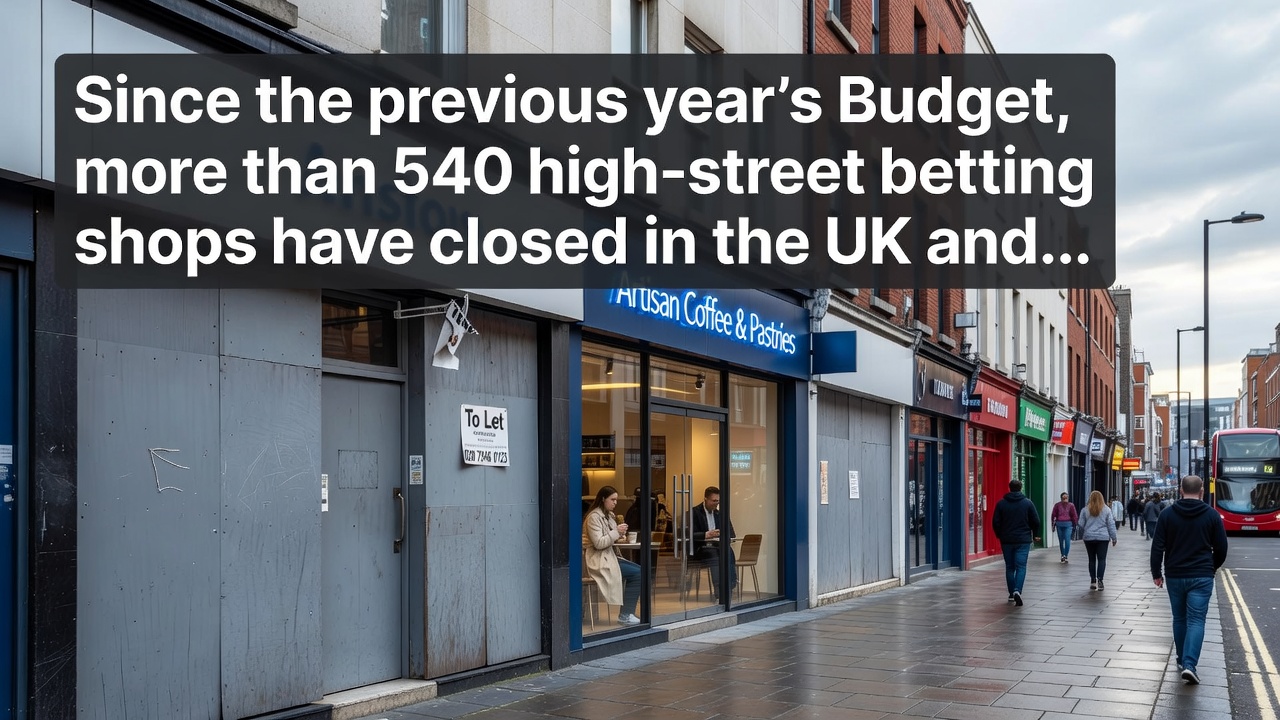
Take one case where experts analyzed similar friction points in other regulated industries; they found that mandatory document submissions correlated with a 20-30% dip in user retention, a pattern that BGC data now mirrors among UK bettors who prioritize convenience over added scrutiny. But here's the thing: the regulated market's economic footprint isn't abstract—it's shops on high streets, call centers employing thousands, and tech firms innovating safer gambling tools—all potentially jeopardized if punters bolt for less accountable options.
Tax Hikes Add Fuel to the Fire Come April 2026
Compounding these concerns, the Remote Gaming Duty faces a hike to 40% effective April 1, 2026, a move that industry leaders say will further strain operators already bracing for affordability mandates, potentially pricing out casual bettors who form the backbone of everyday wagering. Data indicates this tax escalation, announced as part of broader fiscal adjustments, hits remote betting hardest—where most modern punters place their stakes—making licensed sites less competitive against black market rivals who dodge such levies entirely.
Those who've studied tax impacts on gambling sectors point out that previous increases led to modest migrations toward unregulated channels, and with affordability checks layering on top, the combo could accelerate that trend; racing figures in the open letter specifically flag this timeline, noting how the April deadline aligns perilously with reform implementations, creating a perfect storm for the sport they love.
Black Market Shadows Loom Larger with Reform Push
Fears of a black market surge dominate discussions around the BGC poll, as warnings from betting insiders paint a picture of frustrated bettors turning to unlicensed operators who offer no-frills access without the paperwork, complete with risks like unmatched odds, data breaches, and zero recourse for disputes. Studies on underground gambling ecosystems reveal how these platforms thrive on regulatory gaps, luring in users spooked by compliance hurdles while evading the taxes and oversight that keep the official market honest.
Now, with 65% of surveyed bettors drawing a line at financial disclosures, the writing's on the wall: people often find workarounds when friction hits too hard, and experts who've monitored illicit betting flows predict a uptick in offshore traffic if checks proceed unchanged. It's noteworthy that the poll's respondents weren't outliers—they represent everyday punters from football fans to racing enthusiasts, many of whom bet modestly but consistently, the very group reforms target yet risk alienating most.
One researcher who delved into punter migration patterns shared a telling example: during a trial of similar checks in another jurisdiction, licensed sign-ups dropped 15% while black market proxies spiked, a cautionary tale echoing through BGC statements and the racing letter alike. So while the intent behind affordability assessments—to flag excessive spending early—holds merit in data on harm reduction, the execution, as per these findings, stirs up unintended consequences that could dwarf the benefits.
Broader Reforms Context and Industry Resilience
These developments unfold against a backdrop of sweeping UK Gambling Commission changes for 2026, including slot limits and bonus overhauls, yet affordability checks stand out for their direct clash with user habits, as the poll so starkly illustrates; the BGC, representing major operators, pushes for frictionless alternatives like spending trackers that don't demand invasive proofs. And although regulators tout the checks as a bulwark against addiction—backed by stats showing high rollers often fly under radar—the 65% rejection rate signals a need for recalibration before full deployment.
People in the industry, from BGC spokespeople to trackside veterans, highlight how regulated betting already incorporates tools like deposit caps and self-exclusion, measures that have curbed harms without alienating the masses; this poll, then, serves as a reality check, prompting calls for pilots or opt-in models that preserve access while safeguarding vulnerable players.
Conclusion
The BGC poll's revelation—that 65% of UK bettors won't supply financial documents for affordability checks—crystallizes a pivotal tension in gambling reforms, one amplified by the racing industry's open letter and looming tax hikes set for April 2026, all while the regulated sector defends its £4 billion tax haul and 109,000 jobs against black market encroachment. Data underscores the stakes, with clear patterns of resistance pointing to potential disruptions that could ripple through horseracing tracks, betting shops, and online platforms nationwide. As discussions heat up between operators, punters, and policymakers, the path forward hinges on balancing protection with participation, ensuring the industry that employs and entertains so many doesn't lose its footing in the rush for safer play. Observers watch closely, knowing that where bettors go next will define the regulated market's endurance.