UK Gambling Sector Posts £4.3 Billion GGY in Q2 2025 as Remote Betting Surges Ahead
22 Mar 2026
UK Gambling Sector Posts £4.3 Billion GGY in Q2 2025 as Remote Betting Surges Ahead

The UK Gambling Commission released its latest quarterly industry statistics covering July to September 2025, which marks Q2 of the financial year running from April 2025 to March 2026; figures reveal a total Gross Gambling Yield (GGY) of £4.3 billion for the British gambling industry when including lotteries, while excluding them drops the total to £3.2 billion, with remote casino, betting, and bingo sectors driving much of that through a combined £2.0 billion contribution.
Breaking Down the Total GGY Figures
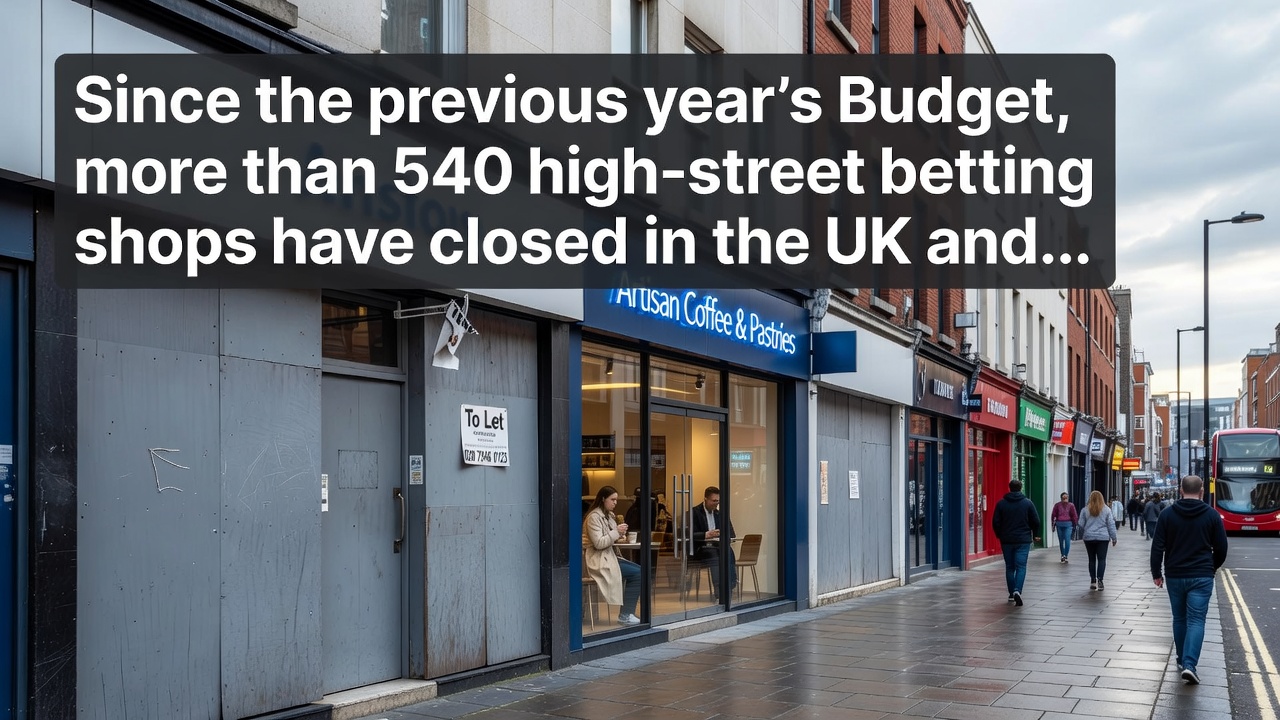
Data from the report shows non-remote sectors generating £1.2 billion in GGY, a solid performance that underscores the enduring role of physical venues in the mix; betting alone accounted for £592 million within that non-remote total, representing 48.2% and highlighting its heavyweight status across 5,782 licensed betting shops scattered throughout the country, where 190,965 gambling machines operated during the quarter.
What's interesting here lies in how these numbers paint a picture of a market adapting to shifts, as remote operations pulled ahead with their £2.0 billion haul from casino, betting, and bingo activities; lotteries added the extra £1.1 billion to reach the overall £4.3 billion mark, a segment that consistently bolsters the industry's top line because of its broad appeal and high volume participation.
Observers note the precision in these statistics, compiled from licensed operators' submissions and cross-verified by the Commission, which ensures reliability as the financial year progresses toward its March 2026 close; such quarterly snapshots help track trends like the remote sector's growth, fueled by technological advances and changing consumer habits in an evolving landscape.
Remote Sectors Take the Lead in Market Evolution
Remote casino, betting, and bingo combined to deliver £2.0 billion, outpacing non-remote by a significant margin and signaling where the industry's momentum builds; this surge aligns with broader patterns of digital migration, where online platforms offer convenience that draws users anytime, anywhere, although physical shops hold steady with their £1.2 billion output.
Take the betting segment in non-remote settings: £592 million from those 5,782 shops, equipped with 190,965 machines, demonstrates resilience even as remote alternatives proliferate; experts tracking these metrics point out how machine volumes remain robust, supporting foot traffic and localized wagering that remote can't fully replicate.
But here's the thing with remote growth—it doesn't just add volume but reshapes the yield distribution, as £2.0 billion from digital channels now forms the core of the £3.2 billion non-lottery total; data indicates operators in these areas optimized offerings during July to September 2025, capitalizing on summer events and seasonal upticks that boosted engagement.
Non-Remote Resilience and Betting Shop Details
Across licensed premises, those 190,965 machines churned contributions within the £1.2 billion non-remote GGY, with betting shops leading at £592 million or 48.2%; this percentage underscores betting's dominance in brick-and-mortar environments, where shops serve as community hubs for sports fans placing wagers on live action.
And while remote sectors expand, non-remote holds ground through established infrastructure—5,782 betting shops nationwide provide access points that cater to preferences for in-person experiences; the report's figures reveal steady machine counts, suggesting operators maintain investments despite competitive pressures from apps and websites.
Turns out the balance between remote and non-remote reflects ongoing market evolution, as the Commission highlights in its analysis; with total GGY at £4.3 billion including lotteries, the sector demonstrates adaptability heading into the latter half of the 2025-2026 financial year.
Lotteries' Steady Contribution to the Overall Yield
Lotteries pushed the total GGY to £4.3 billion by adding £1.1 billion, a reliable pillar that excludes from the £3.2 billion core but amplifies the industry's scale; popular draws and scratch cards drive this segment, attracting casual participants who bolster yields without the intensity of casino or betting play.
People who've studied these reports often discover how lotteries stabilize fluctuations in other areas, providing a consistent base as remote betting and casino activities fluctuate with promotional cycles or major events; for Q2 2025, this meant a rounded total that captures the full breadth of regulated gambling in Britain.
Key Drivers Behind the Quarterly Performance
The report attributes growth primarily to the remote sector, where £2.0 billion emerged amid digital innovations and user shifts toward mobile wagering; non-remote betting's £592 million from 5,782 shops and extensive machine networks shows parallel strength, ensuring the £1.2 billion category doesn't lag too far behind.
So as July to September 2025 unfolded, seasonal factors like sports seasons and holidays likely amplified remote engagement, while physical venues relied on loyal locals; this dynamic, captured in the February 2026 publication, positions the industry for continued monitoring through March 2026.
It's noteworthy that GGY—defined as stakes minus winnings paid out—offers a clear profitability gauge for operators under Commission oversight; figures like these inform policy, licensing, and consumer protection efforts, with 190,965 machines in premises exemplifying the tangible assets underpinning non-remote yields.
Sector-Specific Insights and Broader Context
Within remote domains, casino and betting segments fused with bingo to hit £2.0 billion, a testament to diversified online portfolios that cater to varied tastes; contrast that with non-remote's £1.2 billion, where betting's 48.2% share via £592 million highlights football, horse racing, and other events drawing crowds to shops.
Yet the numbers also reveal scale: 5,782 licensed betting shops operate as key nodes, each hosting machines that contribute incrementally but cumulatively to the total; researchers analyzing such data note how this infrastructure supports employment and local economies, even as remote platforms scale effortlessly.
Now, with the financial year midway to March 2026, these Q2 stats set a benchmark; total GGY at £4.3 billion including lotteries, or £3.2 billion without, frames expectations for Q3 and Q4, where holidays and major tournaments could push boundaries further.
Implications for Operators and Regulators
Operators in remote casino, betting, and bingo now shoulder a larger yield portion at £2.0 billion, prompting investments in cybersecurity and responsible gaming tools; meanwhile, the 5,782 betting shops generating £592 million exemplify the non-remote backbone, with 190,965 machines demanding upkeep amid digital competition.
Data shows the Commission's role in verifying these submissions ensures transparency, as GGY metrics guide affordability checks and levy collections; for the quarter, this meant a robust £4.3 billion total that reflects regulated growth rather than unchecked expansion.
That's where the rubber meets the road for industry watchers—remote dominance at £2.0 billion signals adaptation, but non-remote's £1.2 billion, led by betting's 48.2% slice, proves physical presence endures; lotteries' £1.1 billion top-off completes a multifaceted yield profile.
Conclusion
The UK Gambling Commission's Q2 2025 statistics, released ahead of the financial year's March 2026 endpoint, deliver a clear verdict: total GGY reached £4.3 billion including lotteries (£3.2 billion excluding), powered by remote sectors' £2.0 billion and non-remote's £1.2 billion; betting shone in physical shops at £592 million (48.2%) across 5,782 locations with 190,965 machines, while remote growth underscores market evolution.
These figures, drawn from official operator data, highlight a balanced yet shifting landscape where digital leads but tradition persists; as the year advances, similar reports will track progress, offering stakeholders insights into yields, trends, and regulatory horizons in Britain's gambling ecosystem.