13 Aug 2026
UK High Street Betting Shops Record Over 540 Closures and 4,500 Job Losses Since Last Budget

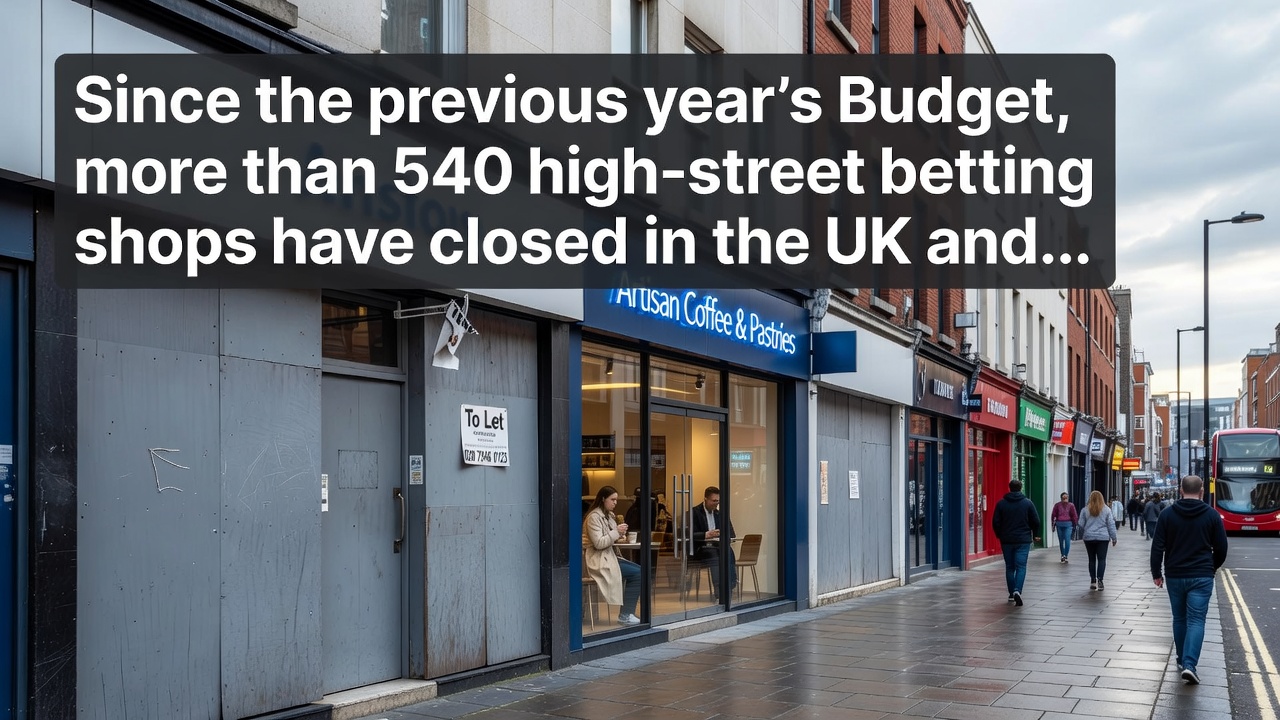
The Betting and Gaming Council has reported that more than 540 high-street betting shops closed across the UK since the previous year's Budget, with around 4,500 jobs lost during the same period, driven by rising taxes, regulatory costs, and broader business pressures on operators. These figures form part of a longer-term pattern that the organization tracks through industry data releases and operator submissions.
Tracking the Scale of Shop Closures
Since 2019 the sector has seen over 3,000 shops close and more than 15,000 jobs disappear, according to the same council figures. The most recent losses build directly on that trajectory, showing continued contraction concentrated in high-street locations where footfall and operating margins remain under pressure from multiple cost increases. Operators have cited integrated business challenges that combine tax adjustments with compliance requirements and shifts in customer behavior toward remote channels.
Key Figures at a Glance
- More than 540 shops closed since the last Budget
- Approximately 4,500 jobs lost in the same timeframe
- Over 3,000 shops closed and 15,000 jobs lost since 2019
The council presents these numbers as cumulative outcomes rather than isolated events, noting that each closure round tends to follow policy or cost changes announced in fiscal updates. Data collection draws from member operators who submit periodic reports on site numbers and staffing levels, allowing the organization to aggregate totals across the licensed land-based sector.
Pressures Cited by the Betting and Gaming Council
The Betting and Gaming Council points to rising taxes and regulatory costs as central factors alongside integrated business pressures that affect day-to-day operations. These elements combine to reduce viability for many high-street sites, particularly smaller or mid-sized shops where revenue has not kept pace with expense growth. The council warns that additional tax increases would likely accelerate the pace of closures, reduce high-street presence further, and channel more activity toward unregulated markets that operate outside licensing frameworks.
Statements from the council emphasize that licensed operators contribute through taxation and employment while maintaining consumer protections that unregulated platforms do not provide. The organization has previously submitted evidence to government consultations on duty rates and compliance costs, highlighting the cumulative impact on physical retail locations. Observers note that the pattern of closures has remained consistent across multiple budget cycles, with the latest figures extending a trend that began before the most recent fiscal announcements.
Context Around the Latest Reporting Period
The reported closures cover the interval following the prior Budget and align with broader economic conditions affecting retail sectors in general. High-street betting shops operate under specific licensing rules that require physical premises, staff presence, and adherence to responsible gambling measures, all of which add to fixed costs. The council's data release frames these closures as a measurable outcome of those combined pressures rather than a reflection of any single policy decision.
Industry reporting on the same period indicates that remote betting channels have absorbed some of the displaced activity, though the council focuses its commentary on the land-based side and the associated employment effects. The figures released do not include projections beyond the warning that further tax rises would intensify the existing trend, nor do they detail individual operator strategies for site rationalization.
Implications for High Streets and Employment
Each closure removes a licensed premises from a local high street and eliminates associated roles that range from retail staff to management positions. The council links these losses to wider effects on town centers where betting shops have historically contributed to footfall and local spending. The ongoing decline since 2019 illustrates a structural shift that predates the most recent Budget yet continues to register measurable impacts in the latest reporting window.
Those monitoring the sector observe that the combination of tax adjustments, regulatory overhead, and competitive dynamics creates conditions under which marginal sites become unsustainable. The council's statements stop short of attributing closures to any single cause and instead describe an environment where multiple cost drivers interact. Further tax changes, the organization states, would compound these conditions and increase the likelihood of additional site reductions.
Conclusion
The Betting and Gaming Council data shows that more than 540 high-street betting shops closed and roughly 4,500 jobs were lost since the previous Budget, extending a decline that totals over 3,000 shops and 15,000 positions since 2019. The council attributes the pattern to rising taxes, regulatory costs, and integrated business pressures while cautioning that additional tax increases would speed up closures, affect high-street vitality, and divert activity toward unregulated channels. These figures represent the most recent snapshot in an ongoing record of sector contraction within the licensed land-based betting market.